
McAlpine Ventapipe
Explore McAlpine's range of Air Admittance Valves (Ventapipe) for internal and external installation. Discover the advantages of these valves, including flexibility in design, cost savings, and ease of maintenance.
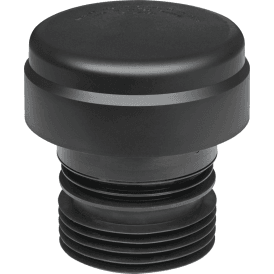
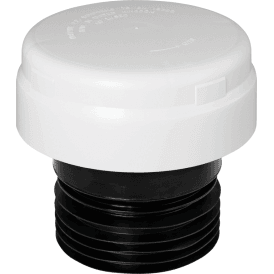
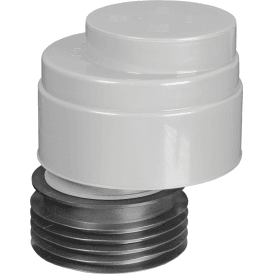
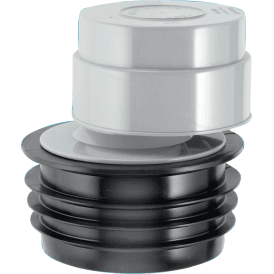
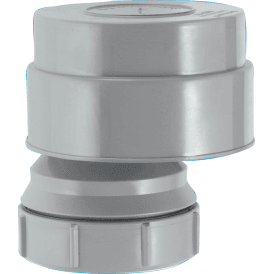
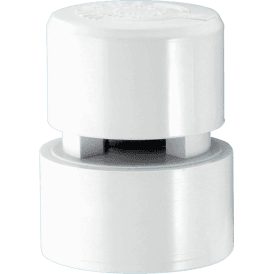

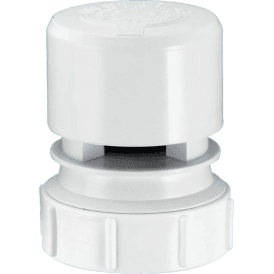
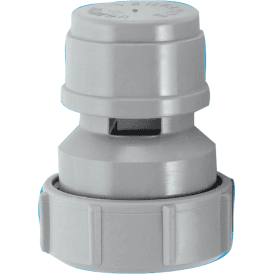

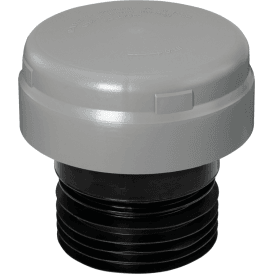
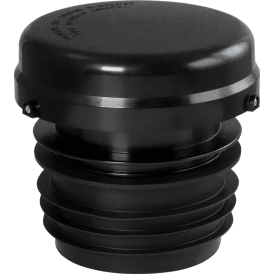
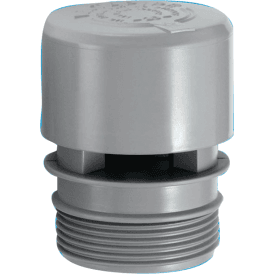
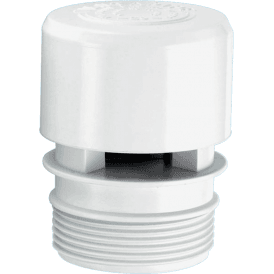

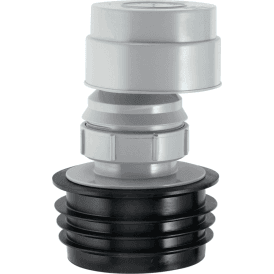
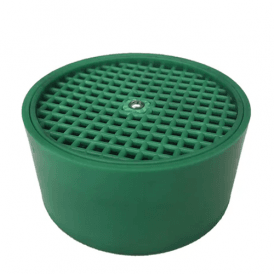
Internal Air Admittance Valve:
McAlpine recommends installing Internal AAVs within the building. These valves should ideally be placed in a non-habitable area such as a duct or roof space with proper ventilation. It's crucial that they are easily accessible for maintenance purposes. Additionally, Internal AAVs must be installed in a vertical position to function effectively.
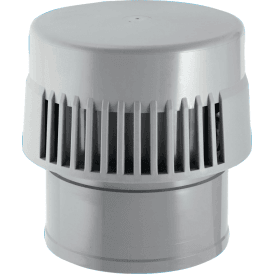
External Air Admittance Valve:
While there are no specific regulations mandating External AAVs, there are circumstances where they could be advantageous. Installing an External AAV into an external soil stack offers several benefits, including:
Internal Advantages:
- Allows ventilating pipes to terminate inside the building, eliminating the need for roof penetration.
- Provides greater flexibility in designing new drainage systems.
- Facilitates easier installation of additional appliances to existing drainage systems.
- Helps avoid freezing issues associated with external pipes.
- Compatible with both plastic and metal pipes, offering versatility.
- Offers cost savings in terms of material and labour.
External Advantages:
- External soil stack termination below the roofline reduces the requirement for soil pipe and fittings.
- External installation makes AAVs easily accessible for maintenance purposes.
- Reduces installation time and materials.
- Seeking guidance from the local building department may be advisable to ensure compliance with regulations.
In summary, the choice between Internal and External AAVs depends on various factors such as design requirements, ease of access, and compliance with local building regulations. Both options provide benefits, and selecting the most suitable option will depend on the specific needs of the plumbing system and the preferences of the installer.