MacPress Valves
Explore the efficiency and reliability of MacPress Pressfit Valves for plumbing and heating. Designed for quick, flame-free installations, these valves ensure secure connections and long-lasting performance in various plumbing and heating applications.
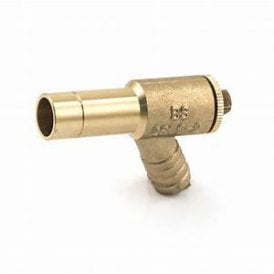
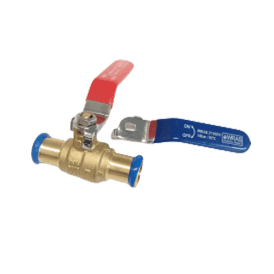
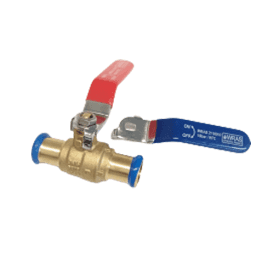
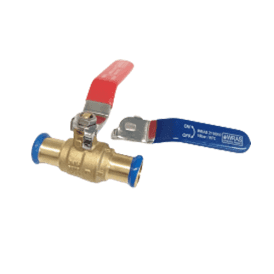
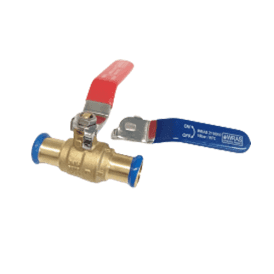


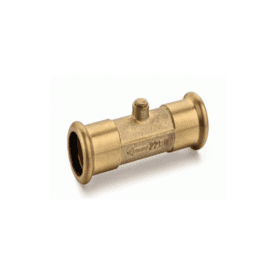
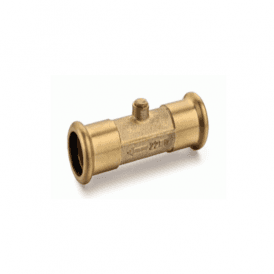
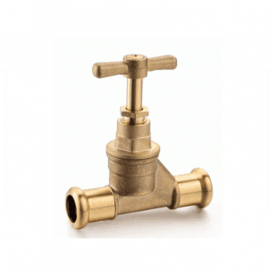

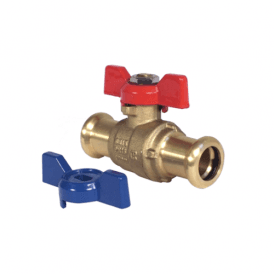
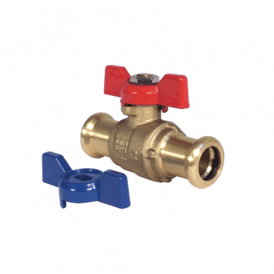
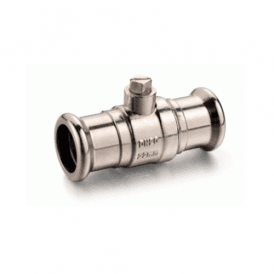
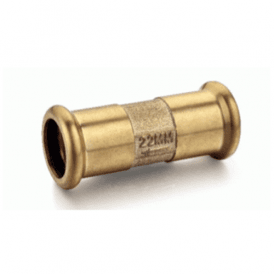
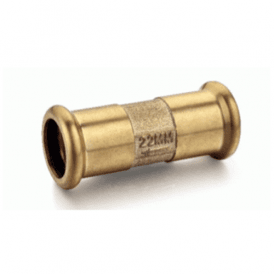
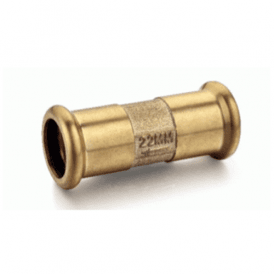
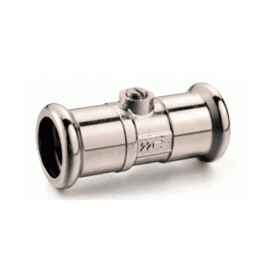
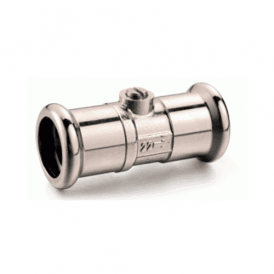
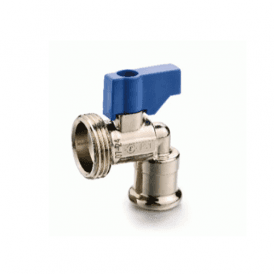
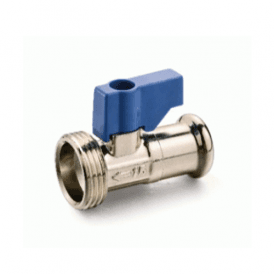
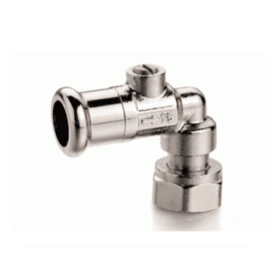
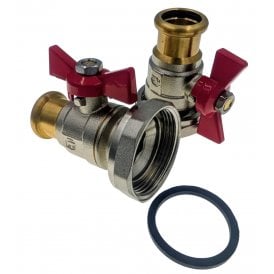
MacDonald Plumbing & Heating Supplies proudly presents MacPress Pressfit Valves, tailored for plumbing and heating needs. These valves are engineered for rapid, flame-free installations, ensuring safety and reducing installation time. The MacPress Pressfit Valves are designed to provide secure and durable connections, suitable for a wide range of plumbing and heating applications. With high-quality construction and compatibility with various press tools, these valves are perfect for both residential and commercial projects. Experience the benefits of reliable performance, minimal maintenance, and a streamlined installation process. Whether you're dealing with hot water systems, central heating, or general plumbing tasks, MacPress Pressfit Valves offer the ideal solution for efficient and effective installations. Trust MacPress for your plumbing and heating projects and enjoy superior quality and performance.
FAQ:
Is press-fit better than push-fit?
Both metal press-fit and push-fit fittings have their advantages, but metal press-fit generally comes out on top for durability and wider applications. Here's a breakdown:
Metal Press-Fit
Pros:
- More durable: Metal is sturdier than the plastic typically used in push-fit
- Wider applications: Approved for a wider range of pipes (copper, stainless steel) and fluids (potable water, gas, steam)
- Behind-the-wall applications: Considered safe for concealed locations like behind walls or underground
Cons:
- Requires a press tool: Needs a specialized tool to create the secure connection
- More complex installation: Installation process is slightly more involved than push-fit
Push-Fit
Pros:
- Easier installation: Simply push the pipe in for a secure fit, no tools required
- Faster assembly: Ideal for DIY projects or those needing a quicker turnaround
Cons:
- Limited applications: Not all materials or fluids are approved for push-fit connections
- Durability concerns: May not be ideal for high-pressure or high-temperature applications
- Visibility matters: Not generally recommended for behind-the-wall applications due to potential future access issues
In summary if durability and a wider range of uses are your priorities, metal press-fit is the better choice.
If ease of installation and speed are most important, and the application allows for push-fit, then it can be a viable option.
For concealed locations or critical applications, it's always best to consult with a licensed plumber to determine the best course of action.
What is a press-fit fitting?
A metal press-fit fitting is a specific type of press-fit fitting made entirely of metal, typically copper or stainless steel. They offer the advantages of press-fit connections (faster installation, no fire risk) but with the added benefit of increased durability compared to standard press-fit fittings which may have some plastic components.
Here's a breakdown of metal press-fit fittings:
- Material: Constructed entirely of metal, offering superior strength and resistance to high temperatures and pressures compared to standard press-fit fittings that might have plastic parts.
- Applications: Suitable for a wider range of pipes and fluids including copper tubing, stainless steel pipes, potable water, gas lines, and even low-pressure steam systems.
- Strength: Metal construction makes them ideal for concealed locations like behind walls or underground where future access for repairs might be difficult. Building codes often require metal press-fittings in these applications.
While they share some similarities with regular press-fit fittings, metal press-fit are generally the go-to choice for plumbers due to their increased durability and wider range of approved uses. However, they do require a specialized press tool to create the secure connection, which can add to the cost and complexity of the installation compared to push-fit fittings.